
Ruby stone is one of the most famous and valuable gemstones in the world. Known for its rich red color, rarity, durability, and timeless beauty, ruby has been admired for centuries by collectors, jewelry lovers, and people interested in traditional astrology. A high-quality natural ruby can be an excellent addition to a jewelry collection, but choosing the right stone requires knowledge about its color, clarity, origin, treatment, certification, and price.
Whether you are searching for a *natural ruby stone, want to understand the **ruby stone price*, or are simply interested in the history and characteristics of this beautiful gemstone, this guide will help you understand everything you need to know before buying a ruby.
What Is a Ruby Stone?
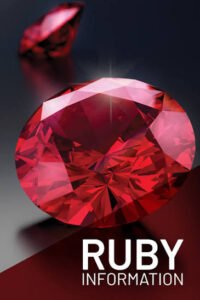
Ruby is a precious gemstone belonging to the *corundum mineral family*. Its red color is mainly associated with the presence of chromium. Corundum in other colors is generally classified as sapphire, while the red variety is known as ruby.
Ruby is recognized as one of the four traditionally important precious gemstones, along with diamond, emerald, and sapphire.
The most desirable rubies usually display a strong, vivid red color. Some stones can have pinkish, purplish, or darker red tones depending on their chemical composition and geological origin.
A ruby’s value is not determined by size alone. Several factors—including color, clarity, origin, treatment, cut, and certification—can significantly influence its quality and price.
Ruby Stone Meaning and History
Ruby has a long and fascinating history. Ancient cultures valued red gemstones because of their striking appearance and rarity. In different traditions, ruby has been associated with qualities such as passion, courage, vitality, prosperity, and leadership.
The word “ruby” comes from the Latin word *ruber*, meaning red.https://www.tanishq.co.in/product/girlish-star-shaped-gold-stud-earrings-51f1d1seragacz.html?lang=en_IN
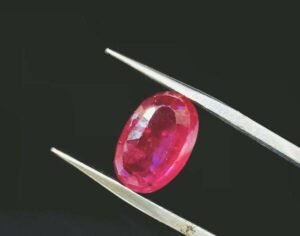
Historically, rubies have been used in royal jewelry, ornaments, rings, necklaces, crowns, and other valuable objects. Some famous rubies have become important collector’s gemstones because of their exceptional size, color, rarity, and historical significance.
Today, ruby remains highly popular in fine jewelry and gemstone collecting.
Why Is Ruby Considered a Precious Gemstone?
Ruby is considered a precious gemstone because of a combination of factors such as:
* Rarity
* Attractive red color
* Excellent durability
* Historical importance
* Demand in the jewelry market
* Availability of exceptional-quality specimens
Ruby has a hardness of *9 on the Mohs scale*, making it one of the hardest natural gemstones after diamond and moissanite. Its durability makes it suitable for rings, pendants, bracelets, earrings, and other types of jewelry.
However, hardness does not mean that every ruby is completely resistant to damage. Inclusions, fractures, treatments, and improper care can still affect a stone’s durability.
## Natural Ruby vs Synthetic Ruby
One of the most important things to understand before purchasing a ruby is the difference between *natural and synthetic ruby*.
Natural Ruby
A natural ruby is formed through geological processes inside the Earth. It may contain inclusions and internal characteristics that developed naturally during its formation.
Natural rubies can vary considerably in quality and price.
Synthetic Ruby
A synthetic ruby is created in a laboratory but has essentially the same chemical composition and crystal structure as natural ruby. Synthetic does not necessarily mean fake; it means th…